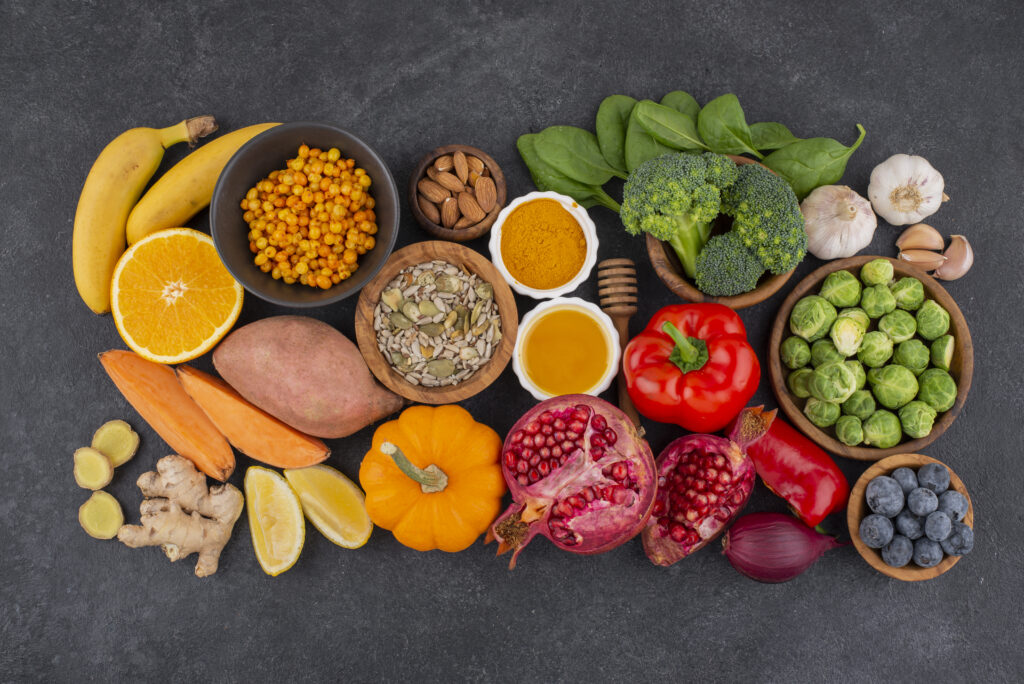
The best ways to maintain your natural energy levels are through a balanced diet, regular exercise, and sufficient sleep. But in today’s fast-paced lifestyle, it’s not always possible to keep up with everything. That’s where vitamins play a crucial role.
Vitamins and nutrients help synthesize enzymes, hormones, and other compounds that keep your body functioning — supporting metabolism, immunity, growth, and energy production. There are 13 essential vitamins, including A, C, D, E, and K, as well as the B-complex group (B1 to B12), each vital for keeping your body strong and energized.
Here’s a detailed look at the 13 best vitamins for energy and the foods you can include to get enough of them naturally.
- Vitamin A
Role: Essential for cellular energy production and overall health.
Vitamin A supports your bones, teeth, skin, and immune system. It also aids vision and may even lower the risk of certain cancers.
Food sources: Salmon, egg yolks, fortified dairy, and other cold-water fish.
- Vitamin D
Role: Enhances calcium absorption and supports energy by improving muscle and bone function.
Often called the “sunshine vitamin,” Vitamin D helps strengthen bones and boosts mood.
Food sources: Sunlight, fortified milk, cereals, egg yolk, and fatty fish like salmon or tuna.
- Vitamin E
Role: A strong antioxidant that maintains muscle health and red blood cell integrity.
Vitamin E helps transport oxygen in the blood — a process crucial for energy production.
Food sources: Almonds, seeds, vegetable oils, eggs, and fortified cereals.
- Vitamin C (Ascorbic Acid)
Role: Strengthens the immune system, supports metabolism, and boosts iron absorption.
Vitamin C also helps repair tissues and reduce oxidative stress, making you feel more active.
Food sources: Citrus fruits, berries, peppers, melons, broccoli, and potatoes.
- Vitamin K
Role: Supports energy generation in cells and helps with blood clotting and bone metabolism.
Vitamin K assists the mitochondria — the energy factories of cells — in producing energy efficiently.
Food sources: Spinach, liver, broccoli, kale, and other green vegetables.
- Vitamin B12 (Cobalamin)
Role: Converts food into cellular energy and keeps nerves and red blood cells healthy.
Vitamin B12 is one of the most powerful vitamins for energy and is vital for brain function.
Food sources: Meat, fish, poultry, milk, and fortified cereals.
Tip: Vegans should consider B12 supplements or fortified plant-based alternatives.
- Vitamin B1 (Thiamine)
Role: Supports metabolism by converting carbohydrates into glucose for energy.
It also helps nerve transmission and muscle contraction.
Food sources: Pork, legumes, nuts, seeds, fortified cereals, and whole grains.
- Vitamin B2 (Riboflavin)
Role: Crucial for breaking down proteins, fats, and carbs into energy.
Vitamin B2 enhances skin health, vision, and adrenal function while acting as a mild antioxidant.
Food sources: Lean meat, dairy, mushrooms, and fortified soy or rice drinks.
- Vitamin B3 (Niacin)
Role: Helps enzymes convert food into ATP — the body’s main energy currency.
Vitamin B3 also improves cholesterol levels and supports brain function.
Food sources: Lean meats, poultry, fish, milk, eggs, legumes, and fortified breads.
- Vitamin B5 (Pantothenic Acid)
Role: Assists in metabolizing fats and carbohydrates into energy.
Vitamin B5 supports liver health, skin vitality, and hormone production.
Food sources: Found in nearly all foods, especially eggs, mushrooms, whole grains, and avocados.
- Vitamin B6 (Pyridoxine)
Role: Converts food into glucose and supports neurotransmitter function.
It helps the body produce serotonin and dopamine — chemicals that stabilize mood and energy levels.
Food sources: Bananas, potatoes, chicken, soybeans, and green leafy vegetables.
- Vitamin B7 (Biotin)
Role: Maintains a healthy metabolism and helps break down fats, carbs, and proteins.
Biotin supports hair, skin, and nail health while promoting sustained energy.
Food sources: Eggs, almonds, whole grains, soybeans, and yeast.
- Vitamin B9 (Folate / Folic Acid)
Role: Supports cell growth, red blood cell production, and DNA synthesis.
Folate is especially essential during pregnancy to prevent neural tube defects and maintain steady energy levels.
Food sources: Leafy greens, avocados, legumes, liver, and fortified flour.
Takeaway
Those were the 13 best vitamins for energy your body needs to stay active and alert. Each vitamin plays a distinct yet interconnected role in supporting your metabolism, muscle function, and overall vitality.
However, nutritional needs vary by gender, age, and lifestyle. For instance, women may require more iron and folate, while men typically need higher doses of certain B vitamins. The key is to understand your body’s requirements and focus on a balanced diet rich in vitamins and minerals rather than relying solely on supplements.
A well-nourished body doesn’t just have energy — it thrives. ⚡