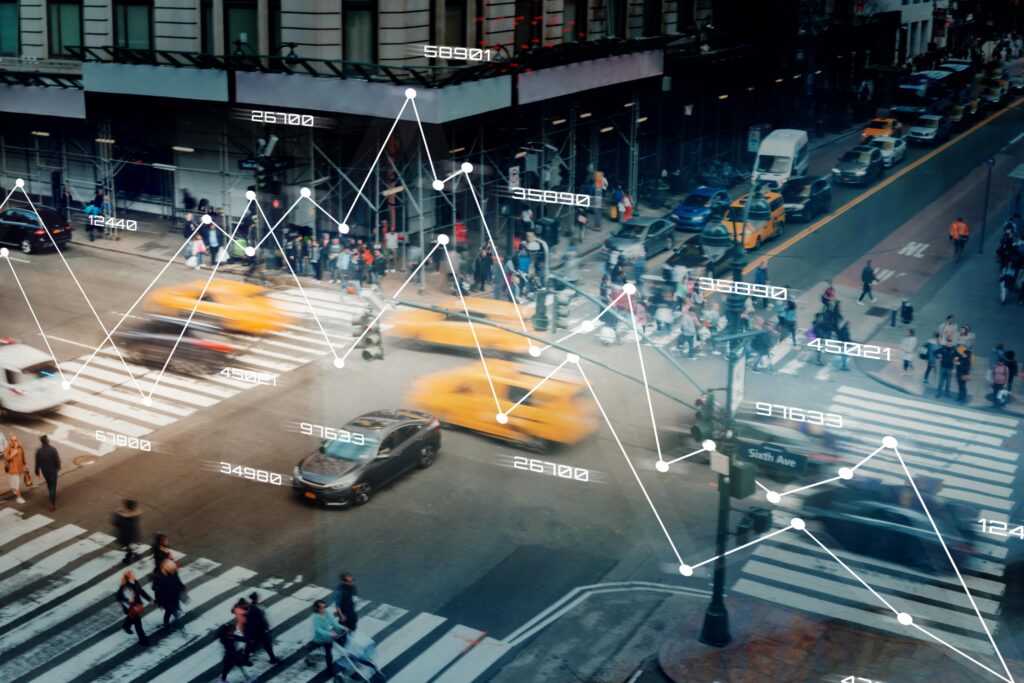
Cities have always been hubs of innovation — but the next generation of urban life will be intelligent by design.
Enter the Smart City — where technology, data, and sustainability converge to create spaces that think, learn, and adapt to human needs.
From energy-efficient buildings to AI-managed traffic and digital citizen services, smart cities are transforming how people live, move, and connect.
What Makes a City ‘Smart’?
A smart city integrates information and communication technologies (ICT) to manage infrastructure efficiently and improve citizen well-being.
This includes:
- IoT (Internet of Things): Sensors collect real-time data from streets, buildings, and vehicles.
- AI and Analytics: Systems analyze patterns to predict and solve issues like congestion or waste management.
- Cloud Infrastructure: Centralizes data for better governance and public access.
Key Pillars of a Smart City
- Smart Mobility:
Traffic systems powered by AI reduce congestion and emissions. Real-time public transport updates optimize commutes. - Smart Energy:
Renewable grids and smart meters reduce energy waste and integrate solar and wind power seamlessly. - Smart Governance:
Digital citizen services, from e-permits to AI-driven public feedback platforms, enhance transparency and efficiency. - Smart Buildings:
Automated systems adjust lighting and temperature to save power and improve comfort. - Smart Safety:
AI-enabled surveillance ensures faster emergency response and predictive crime prevention.
Global Examples of Smart Cities
- Singapore: Leads in integrated transport management and sensor-based water systems.
- Barcelona: Pioneered smart street lighting and IoT-based waste collection.
- Dubai: Uses blockchain to secure digital governance and aims to be fully paperless by 2030.
- Copenhagen: Combines data-driven sustainability with citizen engagement to achieve carbon neutrality.
The Benefits for Professionals and Corporates
Smart cities are redefining urban work-life balance. Seamless transport, green buildings, and digital public infrastructure improve both productivity and wellness.
For businesses, data-driven cities offer:
- Lower operational costs through automation
- Smarter logistics and supply chains
- Access to real-time data for innovation
Challenges in Building Smart Cities
The dream of connected cities comes with challenges:
- Data Privacy: Managing surveillance without compromising freedom.
- Infrastructure Gaps: High setup costs in developing regions.
- Digital Divide: Ensuring all citizens have access to smart technologies.
Balancing progress with inclusivity will determine whether smart cities truly serve everyone.
The Road Ahead
By 2030, it’s estimated that over 60% of the global population will live in cities. The demand for sustainable, tech-driven living will make smart cities not just an option — but a necessity.
Emerging technologies like 5G, AIoT (AI + IoT), and blockchain will continue to refine how cities learn and adapt.
The smart city of the future won’t just be intelligent — it will be empathetic.
Conclusion
Smart cities are the blueprint of a connected civilization — where technology doesn’t overpower humanity but empowers it.
As AI, IoT, and sustainability intersect, the world’s cities are evolving into ecosystems that breathe, think, and respond — shaping the way we live, work, and belong.