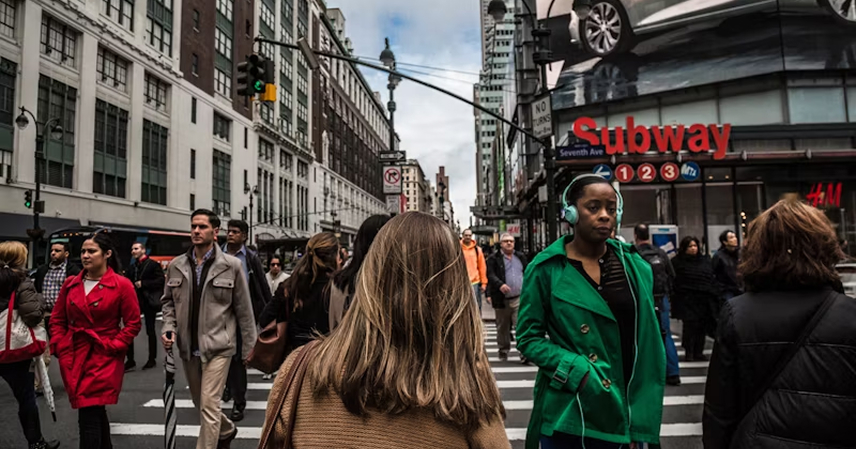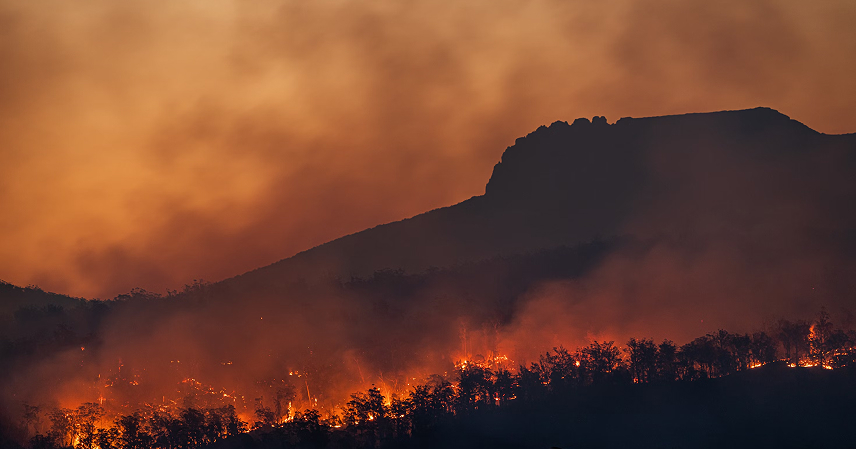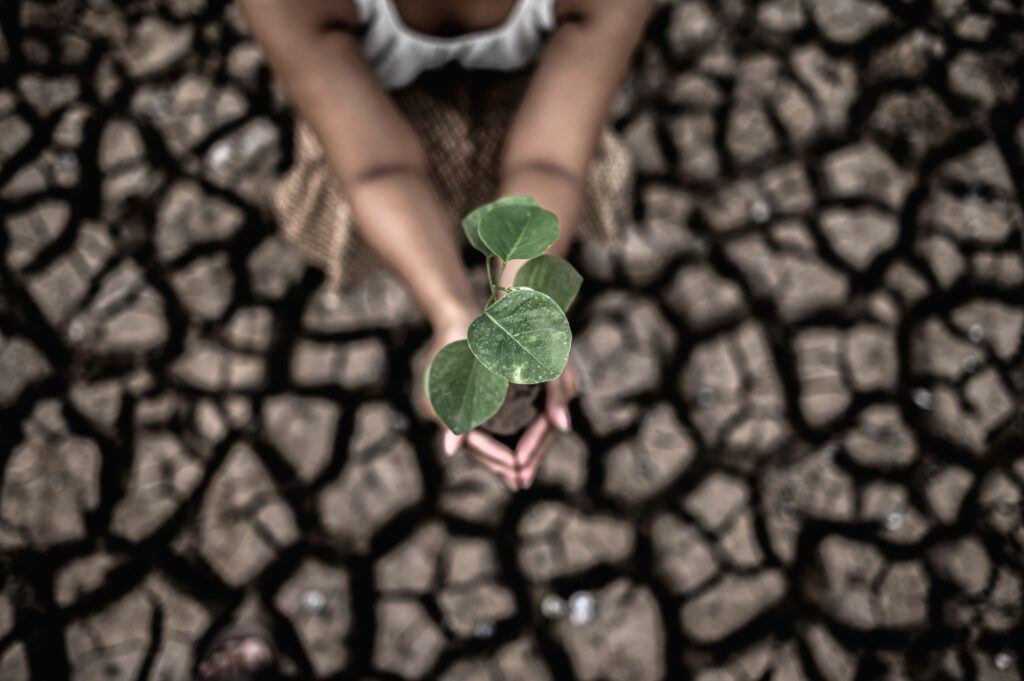
Climate change adaptation in 2025 has become an urgent global priority as extreme weather events intensify in both frequency and severity. From devastating floods and prolonged droughts to record-breaking heatwaves, hurricanes, and wildfires, the impacts of climate change are no longer distant projections—they are lived realities affecting millions of people worldwide. As these risks accelerate, countries, cities, businesses, and communities are increasingly shifting their focus toward adaptation strategies designed to protect lives, livelihoods, infrastructure, and ecosystems.
Unlike climate change mitigation, which concentrates on reducing greenhouse gas emissions to slow future warming, climate change adaptation focuses on adjusting to the changes already underway. It involves proactive planning and action to reduce vulnerability, minimize damage, and enhance resilience in the face of unavoidable climate impacts. In 2025, adaptation is no longer optional; it is a fundamental pillar of sustainable development and global stability.
Protecting Coastlines and Vulnerable Infrastructure
One of the most visible and pressing areas of climate change adaptation is coastal protection. Rising sea levels and stronger storm surges pose existential threats to coastal cities, small island nations, and low-lying communities. In response, governments are investing heavily in a combination of engineered and nature-based solutions.
Sea walls, levees, and flood barriers are being reinforced or newly constructed to protect urban centers and critical infrastructure. At the same time, nature-based solutions such as mangrove restoration, wetland conservation, and coral reef rehabilitation are gaining momentum. These ecosystems act as natural buffers, absorbing wave energy, reducing erosion, and supporting biodiversity.
Sustainable drainage systems and flood-resilient urban design are also playing a key role. By improving water flow management and reducing surface runoff, cities can significantly lower the risk of flooding while preserving economic activity and public safety.
Adapting Agriculture and Water Systems for Food Security
Agriculture remains one of the sectors most vulnerable to climate change. Shifting rainfall patterns, rising temperatures, and increased soil degradation threaten global food systems—particularly in regions already facing food insecurity. In 2025, climate change adaptation in agriculture is centered on resilience and efficiency.
Governments and agricultural institutions are promoting drought-resistant and climate-resilient crop varieties, alongside improved irrigation technologies such as drip irrigation and precision water management. These innovations help farmers maintain yields while conserving water in increasingly arid conditions.
Water conservation practices are also being scaled up across both rural and urban areas. Rainwater harvesting, wastewater recycling, and integrated water resource management are becoming essential tools for ensuring long-term water availability. Together, these measures not only support food security but also reduce conflict over scarce water resources.
The Role of International Cooperation and Climate Finance
Effective climate change adaptation cannot succeed in isolation. International cooperation remains a cornerstone of global adaptation efforts, particularly for developing countries that face the highest risks but have the fewest resources.
The United Nations Framework Convention on Climate Change (UNFCCC) plays a central role in facilitating collaboration, knowledge sharing, and capacity building. Financial mechanisms such as the Green Climate Fund provide critical support for adaptation projects in vulnerable regions, including small island developing states and drought-prone countries.
In 2025, climate finance is increasingly focused on scaling local solutions, strengthening early warning systems, and supporting climate-resilient infrastructure. Technology transfer and data-sharing partnerships are helping countries leapfrog outdated systems and implement modern, adaptive solutions more efficiently.
Climate-Resilient Cities and Smart Urban Planning
With more than half of the world’s population living in cities, urban adaptation has become a major focus of climate resilience strategies. Urban planners are integrating climate considerations into smart city designs to address rising temperatures, air pollution, and flood risks.
Green infrastructure—such as urban parks, green roofs, vertical gardens, and urban forests—plays a vital role in reducing heat island effects and improving air quality. Permeable pavements and redesigned drainage networks help cities absorb heavy rainfall more effectively, reducing flood damage and strain on sewage systems.
These adaptive urban solutions not only protect cities from climate shocks but also enhance quality of life, improve public health, and create more livable, inclusive environments for residents.
Community-Led Adaptation and Indigenous Knowledge
At the heart of successful climate change adaptation lies community engagement. Local populations are often the first to experience climate impacts and possess valuable insights into their ecosystems and environments. In 2025, there is growing recognition that combining indigenous knowledge with scientific research leads to more effective and culturally appropriate adaptation strategies.
Community-based adaptation initiatives empower local stakeholders to participate in planning and decision-making, ensuring solutions are tailored to real-world needs. Public education and awareness campaigns are equally important, helping communities understand risks, prepare for emergencies, and respond effectively to extreme weather events.
This bottom-up approach fosters a culture of preparedness and resilience, strengthening social cohesion while reducing long-term vulnerability.
The Expanding Role of Businesses in Adaptation
Businesses are increasingly recognizing that climate change poses direct risks to operations, supply chains, and long-term profitability. In 2025, corporate adaptation strategies are becoming more sophisticated and integrated into core business planning.
Companies are conducting climate risk assessments to identify vulnerabilities across logistics, infrastructure, and sourcing networks. Investments in resilient facilities, diversified suppliers, and sustainable resource management help safeguard operations while ensuring continuity during climate disruptions.
At the same time, consumer expectations are driving businesses toward greater environmental responsibility. Companies that prioritize sustainability and climate resilience are better positioned to maintain trust, attract investment, and align with global sustainability goals.
Challenges, Equity, and the Path Forward
Despite significant progress, scaling climate change adaptation worldwide remains challenging. Funding gaps, limited access to high-quality climate data, and political barriers can slow implementation—particularly in low-income and fragile regions.
Equity is a critical consideration. Marginalized and vulnerable populations often bear the brunt of climate impacts while having the least capacity to adapt. Policymakers and development institutions are increasingly emphasizing just and inclusive adaptation, ensuring benefits reach those most at risk and promoting social justice alongside environmental resilience.
Reliable data, transparent governance, and long-term policy commitment are essential to overcoming these challenges and ensuring adaptation efforts deliver meaningful outcomes.
Learning Resources and Global Knowledge Platforms
For those seeking deeper insights into climate change adaptation strategies, several global organizations offer valuable resources. The Intergovernmental Panel on Climate Change (IPCC) provides comprehensive scientific assessments, while the World Resources Institute (WRI) and the United Nations Environment Programme (UNEP) offer policy guidance, data tools, and case studies from around the world.
These platforms play a crucial role in shaping informed decision-making and advancing best practices across regions and sectors.
Conclusion: Adapting for a Resilient Future
Climate change adaptation in 2025 represents a collective global effort to confront one of the defining challenges of our time. Through coordinated action involving governments, communities, businesses, and international organizations, the world is building resilience against extreme weather and environmental disruption.
By investing in innovative solutions, inclusive policies, and cross-border cooperation, societies are not only responding to climate risks but also laying the foundation for a more sustainable, secure, and resilient future. Adaptation is no longer about survival alone—it is about shaping a world capable of thriving in a changing climate.